I have, for quite a long time, made it a practice to recite the paramis every morning as a way to reaffirm my commitment to a certain style of practice. Recently, however, I engaged in a discussion with a Bhikkhu friend of mine and I ended up agreeing with his view that the parami teachings lay outside of the sasana. As a result, I am looking now to the bodhipakkhiyadhamma, or 37 factors of awakening, as my guide.
As fate would have it, the factors of awakening aren’t organized in a neat list that’s easily memorized. They repeat and have significant overlap. As such I may just take to reciting the 8FP. However, there is one quality that I am finding repeated more than any other and which I have been working with in my own practice and it is viriya. Without it nothing much seems possible but with it almost nothing is impossible.
My wife commented this morning how I can be extremely disciplined when it comes to things I find important like meditation or physical conditioning but, when it comes to doing things for other, I am lacking. She asked if I thought of myself as a selfish person and although there was an initial tinge of resentment I found myself agreeing and replying that, yes, “I am a selfish person.”
It was a strange moment in time: I was struck by the dissonance between my desire not to be a person one would describe as selfish, my habit of thinking of myself as a spiritual practitioner dedicated to practices intended to be of benefit to all and the fact that I am more selfish than I wish to be.
So, I agreed with my wife, not out of a desire to silence her nor because I think it is okay to be selfish but simply due to the fact that I yet have work to do until the mistaken view of self, the cloudiness of delusion and the stickiness of desire are cleared away by insight and wisdom.
I have been trying to find the time to write this post but it’s only today, when I find myself in the backseat of a car going to work, that I have a free moment.
I was driving back from Brooklyn on Tuesday after having picked up the youngest and was wearing my way through traffic and frustration. In the end I seemed to have farted better as far as the traffic was concerned because I let my own impatience get the better of me. Case in point: I was posting through a narrow inlet to get onto the street that takes you to the Manhattan Bridge when some guy tried to stick his nose in. I’m anger I threw my hands up and swerved around him.
Not a minute later I pulled up to a stop and he pulled along side. His window rolled down, he asked if I was okay. I replied yes and then we went back and forth a bit. He pointed out that I couldn’t let him in and I should be a more careful driver, especially with a kid in the car. And, then, he pulled off.
And, you know what? He was right. Right on all counts. Why couldn’t I have let him in? Why did I drive so aggressively? Why is my ego more important than my child’s safety?
I owe this irritated stranger a deep debt of gratitude because I was wrong and he pointed it out.
I have been trying to waste as little time as possible so that I can practice meditation and martial arts as well as conditioning without neglecting my work and family duties. There are times when I ask myself why I bother with anything beyond meditation but it is glaringly obvious that I don’t have the spiritual power to succeed in such an endeavor.
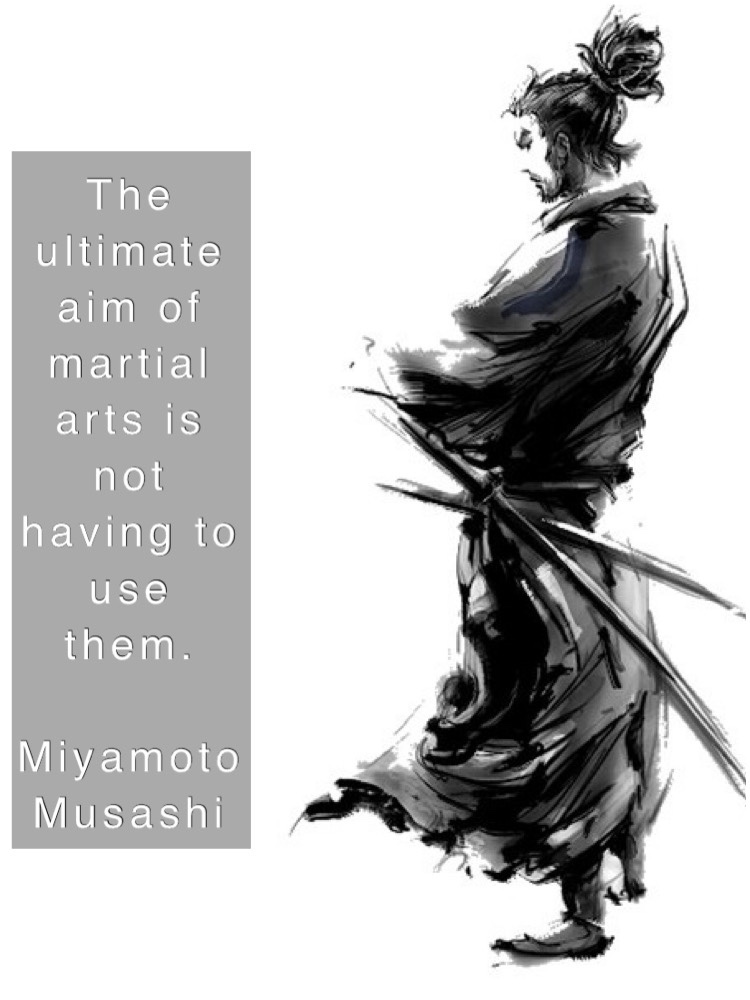
As confusing as it is to practice arts which are expressly designed for combat I have going the conditioning and drills to be excellent at fortifying my discipline and endurance. I do have to post extra attention to cultivating and raising mettā however as I tend to look for threats where I rarely saw them before. Then again, NYC has become a much more dangerous place since COVID emptied it out.
I imagine that the cognitive dissonance here will never quite disappear but as long as it appears to improve my stamina and character I intend to keep at it.
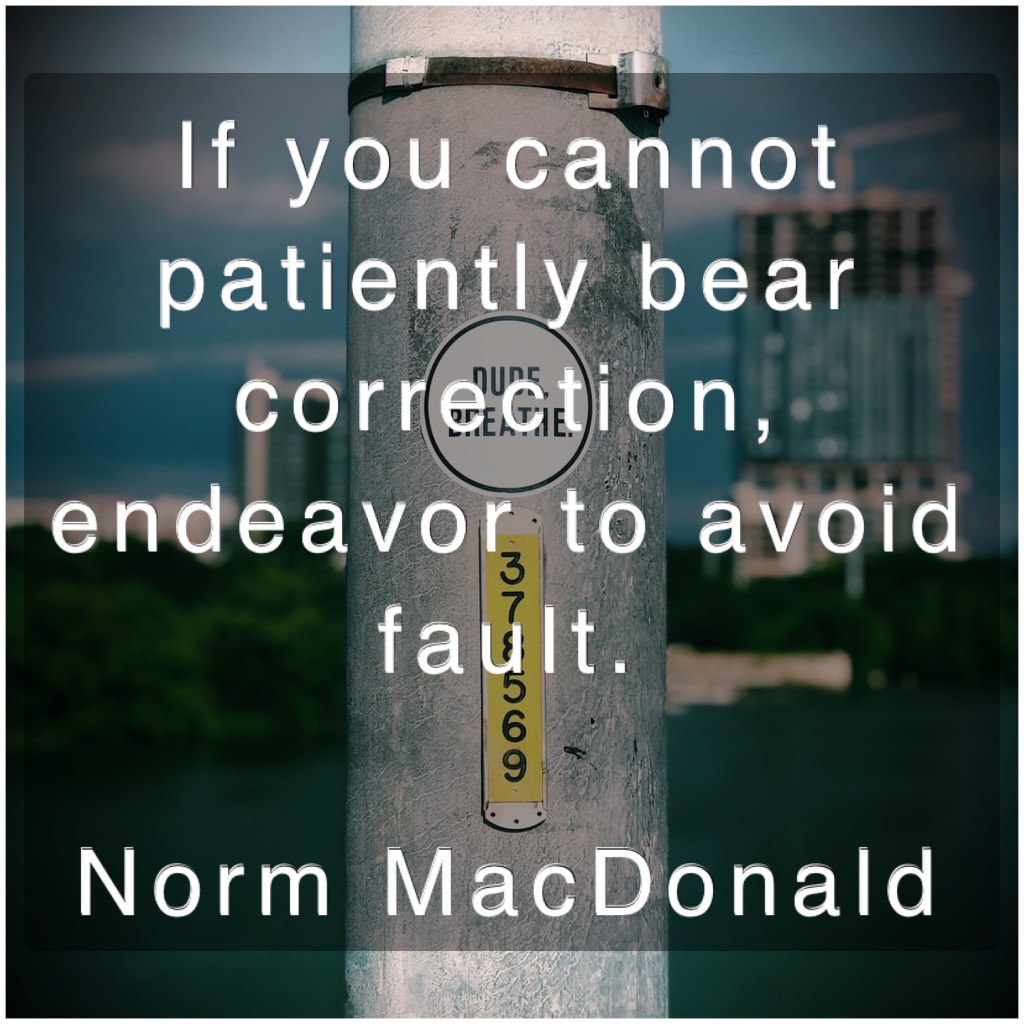
I don’t recall how I ran into the quote above but the sentiment that it expresses, or perhaps more rightly, the practice it proposes, is one in which I have found incredible value. I have a lot of anxieties surrounding things like driving and parking which sounds crazy on the face of it but are facts of my life. As such, I have a relatively easy way to practice with things that make me uncomfortable.
Why should I even want to put myself in situations that I hate? Simply because nothing good comes for slavishly serving one’s desires. Do you like sweets? Do you think it’s a good idea to sit around eating them all day? Why not? Do you like exercise? Is it a good idea to do some everyday? Why?
Doing things I hate is exercise for the heart. It helps me to put my fears and anxieties into perspective and to be better about to deal with whatever may come my way.
Why do I feel to do so much? Why am I driven to wake up early and go to bed late so that I complete all of my goals for the day? I feel that I’m doing a good thing in si many ways: in ensuring that I get my physical conditioning and exercise in as well as cultivating my devotional and meditation practices but when I think of the forest masters I recall that their practice is all about letting go. And yet…
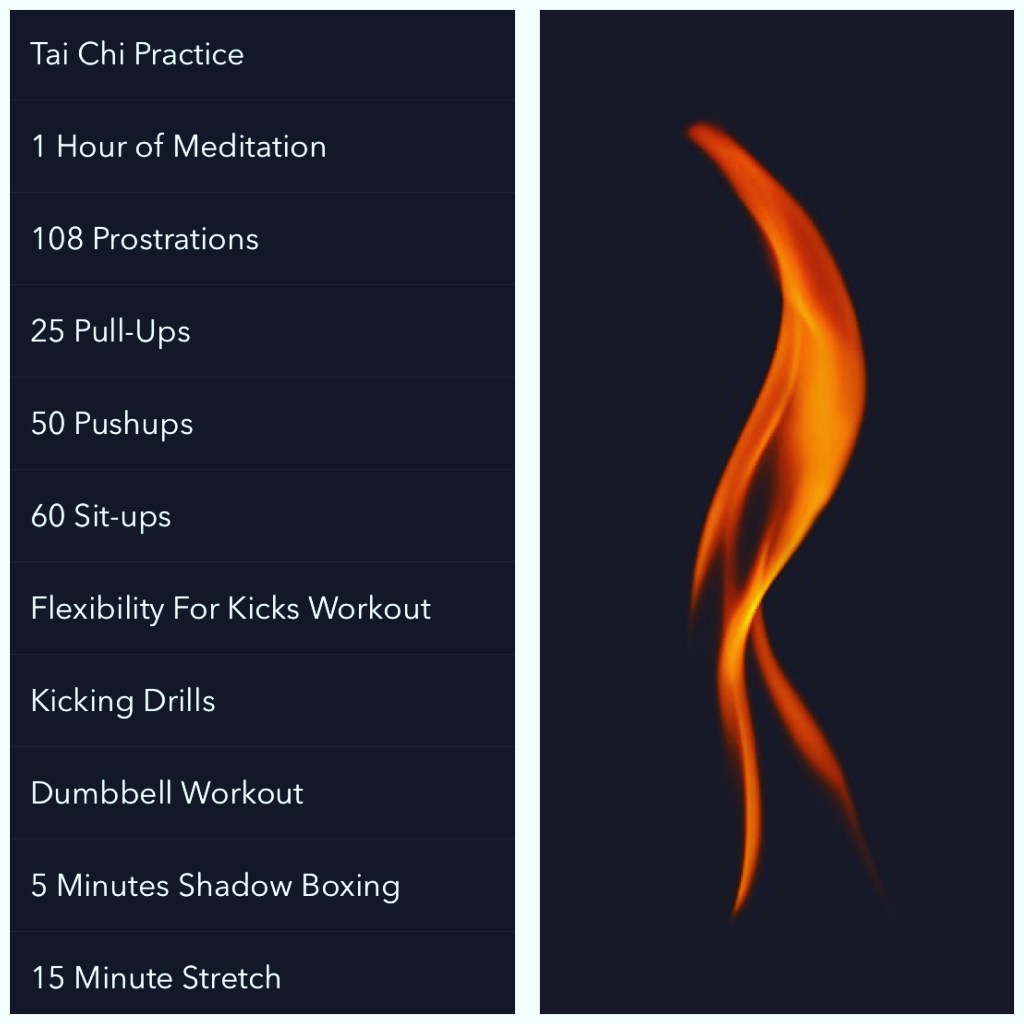
And yet, I’m not a bhikkhu and I have a lay life to attend to. Part of this frenzy has everything to do with the collapse of our society. Part of it has to do with protecting myself and family. And part of it is because I think it’s cool. Here the list for you to see for yourself:
This last Saturday was the first time I actually ever sparred in earnest for any length of time. One of the first things I noticed and that was pointed out to me, was how tense I was. I was buzzing with energy but gassing myself too quickly. The coach asked me if I thought I would be able to make it twenty rounds like this and I had to admit I couldn’t. In fact, it was doubtful if I could make it through another round. One I relaxed and paced myself I was able to keep up and stay in the game.
Saturday’s experience taught me about the value of resting and relaxing in the moment in a way that decades of reading, meditation and contemplation never have. Whether facing an opponent on the mat or my fear, it is clear that there is a need to meet the moment in a relaxed and alert manner. I think this is what all the bushido and karateka people are getting at when they talk about the mind of no mind.
My newest strategy for dealing with disobedient children and resentful spouses is to simply ask them to do whatever they believe is fair. To commit to doing whatever they feel is right in any situation.
For example, I asked my older kids to help me with the dishes last night and they both told me they were doing homework. I said, that’s fine if you’re telling the truth, but if not do you really want to lie about it? Please do what you think is right.
I was stunned to hear my daughter admit she has been making excuses and she came to help. My son insisted he was writing an essay and, he too, surprised me an hour later by asking me to proof it.
I am taking the same approach with my wife and although she yet feels too much resentment to take some of the burden off of me I am satisfied with it. I don’t have to worry about keeping an internal balance sheet and I can speak to the best in others. And, if they don’t do what I think of right, so be it. That’s the way of the world.
What do you do when someone firmly believes you’re lying? What can you do when someone disbelieves you despite your protestations?
It seems to me that all one can do is reflect on the fact that we have lied in the past and our kamma is bearing fruit now. And, how fortunate we are that such kamma is ripening now when we can use the bitter fruit as medicine rather than simply being poisoned by it and sufferings without cause.
Yes, try to set things straight but if someone is determined to revile and resent you, call you a liar and despise you, take your lumps, because none of this would happen if you didn’t create the causes for it.
Yesterday, after having driven to NH on Saturday, we were set to drive back to NYC. That’s a lot of driving in 24 hours and may have been the reason this happened but who really knows.
Anyway, around 1:30pm I was cleaning out the car, washing the windows and getting it ready for the trip when I began to notice a quiet disturbance in my visual field; my left eye to be exact. It was an undulating, crescent shaped iridescent aura. I knew from my one experience prior that this portended a migraine and went to inform my wife that we may not be able to leave so soon.
She was angry and simply didn’t believe me. She suggested I take 200 mg of ibuprofen (good active) and go lay down but continued to take pot shots at me throughout the day. Eventually, the aura and headache went away and I drove us back home as well as making a stop at an orchard but felt ill for most of the drive.
My point here is this: I was really hurt by her insistence that I was lying and, perhaps equally so, by the idea that my suffering didn’t matter and that I needed to shut up and deal. And yet, as painful as that was, I see now what a good lesson it was.
My suffering doesn’t matter to anyone but me and, truthfully, what does sympathy gain me? An excuse to wallow? Permission to be heedless? A pass to stop striving? So, I should actually be thankful. And, instead of being angry and resentful, giving her the silent treatment as punishment, I should remove myself in whatever ways I can right now to refocus on the Dhamma and in strengthening my inner refuge.
I need to learn how to be a lamp and an island for myself because there is no one else who can do that for me. So, my thanks to my migraine and a disbelieving spouse for pointing out the Dhamma again and rousing me from my slumber.




 Cattāri Brahmavihārā