Posted by: Michael | 11/13/2025

Ten Major Obstacles On the Path To Enlightenment

  1. We should not wish that our bodies be always free of diseases and ailments, because a disease-free body is prone to desire and lust. This leads to precept-breaking and retrogression.
  2. We should not wish that our lives be free of all misfortune and adversity, lest we be prone to pride and arrogance. This leads us to be disdainful and overbearing towards everyone else.
  3. We should not wish that our mind cultivation be free of all obstacles because, in such a case, our knowledge would be exceptional. This leads to the transgression of thinking that we have awakened, when in fact we have not.
  4. We should not wish that our cultivation be free of demonic obstacles, because our vows would not then be firm and enduring. This leads to the transgression of thinking that we have attained Enlightenment, when in fact we have not.
  5. We should not wish that our plans and activities meet with easy success, for we will then be inclined to thoughts of contempt and disrespect. This leads to the transgression of pride and conceit, thinking ourselves to be filled with virtues and talent.
  6. We should not wish for gain in our social relations. This leads us to violate moral principles and see only the mistakes of others.
  7. We should not wish that everyone, at all times, be on good terms and in harmony with us. This leads to pride and conceit and seeing only our own side of every issue.
  8. We should not wish to be repaid for our good deeds, lest we develop a calculating mind. This leads to greed for fame and fortune.
  9. We should not wish to share in opportunities for profit, lest the mind of delusion arise. This leads us to lose our good name and reputation for the sake of unwholesome gain.
  10. When subject to injustice and wronged, we should not necessarily seek the ability to refute and rebut, as doing so indicates that the mind of self-and-others has not been severed. This will certainly lead to more resentment and hatred.

— Thich Thien Tam, Buddhism of Wisdom and Faith

Posted by: Michael | 09/12/2025

A Theravāda Dhamma-Dokkōdō

(21 reflections for solitary and communal practice)

  1. Accept all phenomena as they are.
    See body, feelings, mind, and dhammas as impermanent (anicca), unsatisfactory (dukkha), and not-self (anattā).
  2. Do not seek pleasure for its own sake.
    Abandon craving for sense pleasures (kāma-taṇhā), delighting instead in the joy of renunciation.
  3. Rely on full awareness, not on passing moods.
    Base actions on mindfulness (sati) and wisdom (paññā), not on fleeting likes or dislikes.
  4. Think lightly of self and deeply of the Dhamma.
    Set aside pride and self-importance; contemplate dependent origination and the welfare of all beings.
  5. Remain detached from desire throughout life.
    Cultivate contentment and the Noble Eightfold Path as your true treasure.
  6. Let go of regret by making amends and resolving anew.
    Acknowledge unwholesome acts, purify through Right Effort, and do not cling to remorse.
  7. Be free from jealousy.
    Rejoice in others’ virtue and success (muditā).
  8. Meet separations with understanding.
    Reflect on impermanence and maintain loving-kindness even in loss.
  9. Do not harbor resentment or complain.
    Practice patience (khanti) and speak only words that lead to harmony.
  10. Guard the mind from lust and clinging love.
    Nurture loving-kindness without attachment; let compassion guide relationships.
  11. Favor no thing with craving.
    See all conditioned things as equal in emptiness, free of grasping.
  12. Be at home everywhere and nowhere.
    Dwell content whether in forest, village, or city; let the mind be your true dwelling.
  13. Eat with mindfulness, not indulgence.
    Take food as medicine to sustain the body for practice.
  14. Let go of what is not needed.
    Live simply, owning little, generous in giving.
  15. Examine traditions with wisdom.
    Follow what accords with Dhamma, not mere custom or hearsay.
  16. Train with the true weapons of the Noble Path.
    Replace swords with the sharpness of mindfulness, the shield of virtue, and the spear of wisdom.
  17. Contemplate death without fear.
    Remember mortality (maraṇasati) to deepen urgency and clarity.
  18. Seek no wealth or security for old age.
    Place trust in the fruit of wholesome kamma and the refuge of the Triple Gem.
  19. Honor the Buddha, Dhamma, and Saṅgha without clinging.
    Respect and rely on them for guidance, not as objects of superstition.
  20. Care for the body, yet prize integrity above it.
    Guard virtue even at the cost of comfort or life.
  21. Never stray from the Way of liberation.
    Walk steadily on the Noble Eightfold Path until Nibbāna is realized.

Posted by: Michael | 08/22/2025

A Gatha of Protection

Heedful of the all-consuming flames of hatred,

May I guard myself and others with patience and love.

Offering this body as a shield,

May I use its strength only to defend those who cannot protect themselves.

Posted by: Michael | 08/19/2025

Renewing My Vows

Life and marriage rarely work out the way we would have imagined them when we were still largely blinded by delusion and desire. And yet, for those of us who have made commitments and are raising families, even though things have changed between ourselves and our partners, it doesn’t mean that we need to feel compelled to throw it all away. I am not at the stage where I could just leave my kids and life to walk the holy life like Lord Buddha but nor do I wish to leave a string of serial relationships in my wake and bring more suffering to my children and potential partners.

As such, the idea of renewing my vows to my wife that are in line with the Dhamma, that serve to further my spiritual growth and reduce suffering, has seemed like the right thing to do. So, without further ado, here are my wedding vows, renewed:

May I view our relationship clearly, without denial.
May I act from compassion, not anger.
May I affirm what I will do,
and release what I cannot accept.


I vow to respect, provide, and care for our children,
and to uphold these duties with diligence
until they are grown and stand on their own.


I vow not to be drawn into flames of anger,
criticism, or resentment.
I will not let my mind or heart be shaped by anger,
and I will not return anger for anger.


I vow to live in the spirit of brahmachariya,
renouncing the physical and romantic aspects of our bond.
I turn instead toward patience, kindness, and inner peace.
This is not rejection, but protection.


I vow that when words of kindness and love arise,
I will meet them with openness and care.
When words are rooted in resentment or vengeance,
I will answer with silence, not argument.
In this way, I preserve peace and prevent further harm.


I vow to acknowledge the pain I have caused.
For those times, I ask forgiveness sincerely.
I regret the harm I have done,
yet I will not remain bound forever
as though by an eternal debt.
I choose learning, wisdom, and compassion.
I hope the past may soften for us both.


I vow to provide for my family,
to remain faithful, and to act responsibly.
I will stand present for my children
with love that does not waver.


I vow that when our children are grown,
I will reassess our life together.
If resentment remains, separation may be best.
If healing has taken place, a new path may appear.
Either way, I act not from hatred,
but from the wish for freedom from suffering for both of us.


I vow to honor the life we have shared.
I vow to care deeply for you and our children.
I vow to wish you well in heart and mind.

Posted by: Michael | 08/03/2025

That is how you should train

Our minds will remain unaffected. We will blurt out no bad words. We will remain full of compassion, with a heart of love and no secret hate. We will meditate spreading a heart of love to that person. And with them as a basis, we will meditate spreading a heart full of love to everyone in the world—abundant, expansive, limitless, free of enmity and ill will.

Majjhima Nikāya 21 Kakacūpamasutta: The Simile of the Saw

Posted by: Michael | 07/26/2025

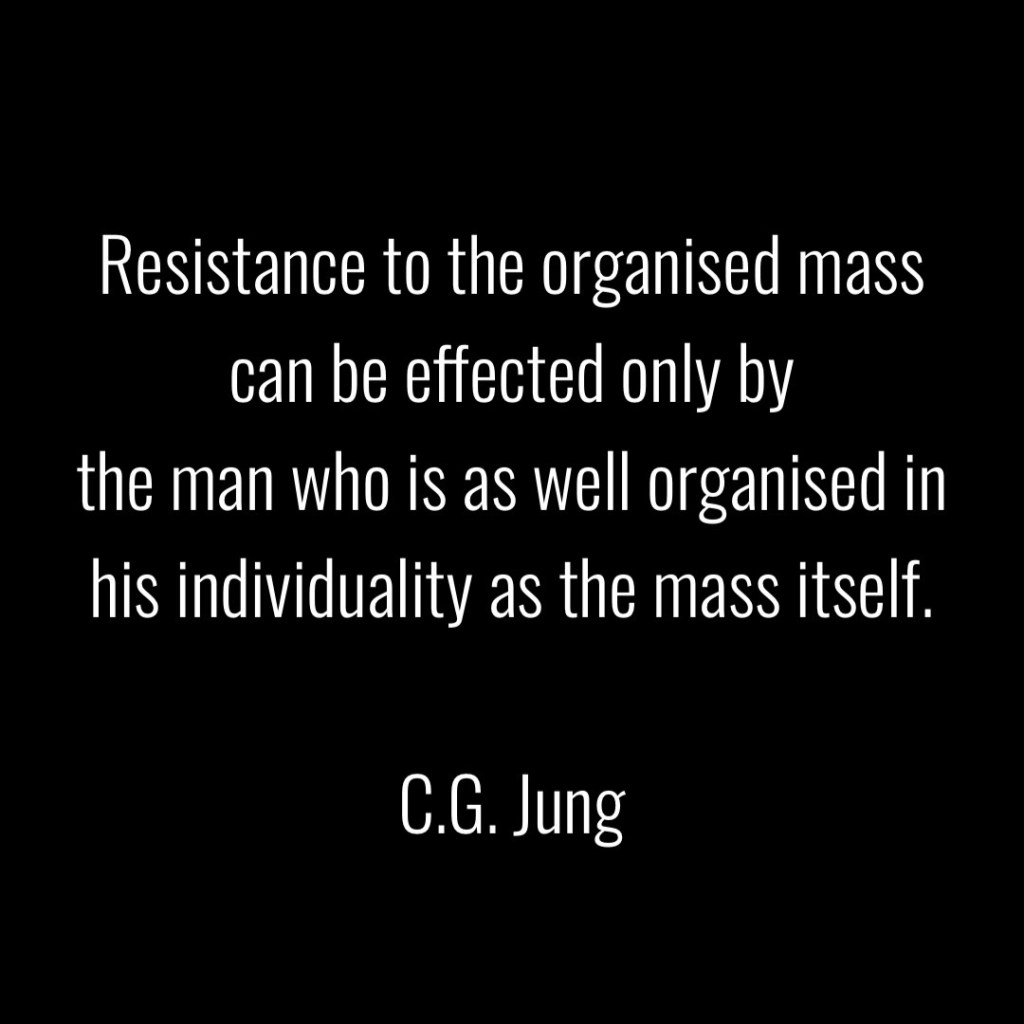
Jung and Resistance

Perhaps it’s not very surprising that Jung strikes me as so prescient given that we’re living in times that closely resemble pre-War Europe.

Truly, the only real resistance that one can mount, and that makes any difference is that which relies on ordering one’s individuality to the soteriological aim of the Buddhadhamma.

Posted by: Michael | 07/25/2025

A Recollection for Lay Practitioners

This short aspiration is designed for daily use by lay Buddhists who wish to train according to Theravāda teachings. It helps strengthen commitment to the Three Refuges, Five Precepts, wholesome conduct, generosity, and the cultivation of right view, while aspiring for future conditions that support the pursuit of Nibbāna.

The text is given with intercalated English translation line-by-line for ease of reflection and recitation.


Daily Aspiration (Adhiṭṭhāna)

Buddhaṃ saraṇaṃ gacchāmi.
I go for refuge to the Buddha.

Dhammaṃ saraṇaṃ gacchāmi.
I go for refuge to the Dhamma.

Saṅghaṃ saraṇaṃ gacchāmi.
I go for refuge to the Saṅgha.

Ti-saraṇena saha pañca sīlāni samādiyāmi:
Together with the Three Refuges, I undertake the Five Precepts:

Pāṇātipātā veramaṇī sikkhāpadaṃ samādiyāmi.
I undertake the training to refrain from killing living beings.

Adinnādānā veramaṇī sikkhāpadaṃ samādiyāmi.
I undertake the training to refrain from taking what is not given.

Kāmesu micchācārā veramaṇī sikkhāpadaṃ samādiyāmi.
I undertake the training to refrain from sexual misconduct.

Musāvādā veramaṇī sikkhāpadaṃ samādiyāmi.
I undertake the training to refrain from false speech.

Surāmerayamajjapamādaṭṭhānā veramaṇī sikkhāpadaṃ samādiyāmi.
I undertake the training to refrain from intoxicants causing heedlessness.

Dānaṃ dadāmi, mettāṃ bhāvemi,
I give with a generous heart and cultivate loving-kindness.

Sammādiṭṭhiṃ sevāmi, kalyāṇamitte passāmi.
I uphold right view and associate with noble friends.

Kusalaṃ karomi, akusalaṃ pahāya,
I perform wholesome deeds, abandoning the unwholesome.

Sīlaṃ rakkhāmi, cittaṃ bhāvemi,
I guard my virtue and train my mind.

Sabbhañ ca pāpaṃ viramāmi.
I refrain from all evil.

Sabbadā puññaṃ pasādemi,
May I always rejoice in merit.

Yathā manussesu vā devesu vā jāyeyyaṃ,
So that I may be reborn among humans or devas,

Kalyāṇamittehi saddhiṃ Dhammaṃ suṇeyyaṃ,
Where I may hear the Dhamma in the company of noble friends,

Saṃvegaṃ labheyyaṃ,
Awaken a sense of urgency,

Nibbānaṃ pattukāmo bhaveyyaṃ.
And aspire to attain Nibbāna.

Etena sacca-vajjena, sotthī me hotu sabbadā.
By the truth of this, may I always be safe and well.

Posted by: Michael | 07/12/2025

A Dedication for Degenerate Times

Imassa bhāvanā-kammassa puññena

yesaṁ attano caṇḍatāya pīḷā uppajjati,

micchādiṭṭhi-taṇhāya ca andhatā pavattati,

sabbe te sattā

visama-chandena ca dukkham anubhavanti.

Te sabbe iminā puññena

dukkhā pamuccantu.

Sammādiṭṭhiṁ paṭilabhantu.

Taṇhā-yogaṁ pavivajjentu.

Sabbe sattā

averā hontu.

Abyāpajjhā hontu.

Anīghā hontu.

Sukhī attānaṁ pariharantu.

Posted by: Michael | 06/29/2025

A Gāthā for Physical Training

I have been training in martial arts and coditioning the body seriously for years now but I have begun to qestion the wisdom of doing so to the detriment of my Dhamma practice. I do see the maintenance of the body as an important part of the practice but I feel that I have gotten a little out of balance.

I have always admired the use of gatha in the Plum Village Zen tradition Thich Nhat Hanh and have experiemnted with them before so, first on my own and then with the help of ChatGPT, I came up with a gatha to use before training.

May it be of benefit!

“May I undertake this training in bodily discipline,
That this body—born of karma, sustained by food,
Subject to sickness, aging, and death—
Be made a fit vehicle for the practice of the Noble Dhamma,
A worthy vessel for the arising of bodhicitta,
That through it I may serve all beings.”

“May I guard against intoxication with this body,
Which is but a heap of elements: earth, water, fire, and air—
Void of essence, impermanent, and prone to decay.
Let me not be deceived by its appearance,
But see it clearly as it truly is:
A mirage, a bubble, a dream, a flickering flame.”

“May I tend to this body not with attachment,
But as a mendicant cares for his alms bowl:
Maintaining it with mindfulness and restraint,
Neither cherishing nor despising it,
Only so far as it supports the path of liberation.”

“And when the time has come for this body to be laid down,
May I do so without clinging or regret,
As one lays aside a burden at the end of a long journey,
Or discards a broken tool no longer of use.”

Posted by: Michael | 06/25/2025

When studying Atisha’s Seven Points of Mind Training it is essential to first train in the preliminaries. One of the first of these is to recognize the preciousness of a fortunate human birth, When one is born into existence as a human being, it is believed to be a great opportunity to practice and develop spiritually.  Additionally, it is important to recognize and take advantage of having The Eight Freedoms and The Ten Endowments.

The Eight Freedoms

  1. Free from being born into a hell realm
  2. Free from being born into the hungry ghost realm
  3. Free from being born into the animal realm
  4. Free from being born a barbarian
  5. Free from being born as a long-lived god
  6. Free from being born with wrong views
  7. Free from being born in a time without enlightened beings
  8. Free from being born deaf or mute

The Ten Endowments

The Five Endowments Found within Oneself:

  1. Having been born a human being
  2. Having been born in a central region
  3. Having been born with all of one’s faculties
  4. Being engaged with a proper lifestyle that does not conflict with spiritual practice
  5. Having faith in the sacred teachings

The Five Endowments Found with External Circumstances:

  1. An Enlightened Being has appeared
  2. The Enlightened Being has shared the teachings
  3. The teachings still exist
  4. The teachings are practiced
  5. There are those who are kind-hearted towards others and share the teachings

Credit: https://ravencypresswood.com/2016/03/06/the-eight-freedoms-the-ten-endowments/

Older Posts »

Categories

Brightening Futures of Zanzibar

Improving Lives through Generosity

Shillelagh Studies

A hub for the music, culture, knowledge, and practice of Irish stick-fighting, past and present.