
Ask yourself: is it possible that I could die today? Being honest with ourselves, we know the answer is “yes.” Knowing this, how well we pass this day?
Ask yourself: is it possible that I could die today? Being honest with ourselves, we know the answer is “yes.” Knowing this, how well we pass this day?
Posted in Buddha, Buddha Vacana, Buddhism, Dhamma, maranānussati, Theravada | Tags: death, death recollection, virtue
Frame your thoughts like this—you are an old person, you won’t let yourself be enslaved by this any longer, no longer pulled like a puppet by every impulse, and you’ll stop complaining about your present fortune or dreading the future.”
—Marcus Aurelius, Meditations, 2.2
Why do we believe our thoughts? Why do we assent so quickly to our perceptions? How much of our suffering is simply a matter of how we’re holding and imagining a situation?
My wife’s partner is on the verge of a breakdown due to the stress and anxiety they’re feeling about their job and is threatening to detonate the company they recently formed. Let no one say that ones anxiety and perceptions are private matters. It’s our duty to root out our kilesas before they swallow us and those around us whole.
Posted in Buddha, Buddhism, Daily Practice, Dhamma, Dukkha, Stoicism, Theravada | Tags: Anxiety, hypolepsis, Marcus Aurelius
Posted in Dhamma | Tags: asubha, maranānussati
Venerable Tashi has been on fire lately.
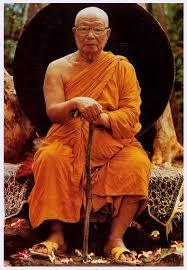
The entire cosmos is cooperative. The sun, the moon, and the stars live together as a cooperative. The same is true for humans and animals, trees, and soil. Our bodily parts function as a cooperative.
When we realize that the world is a mutual, interdependent, cooperative enterprise, that human beings are all mutual friends in the process of birth, old age, suffering, and death, then we can build a noble, even heavenly environment.
If our lives are not based on this truth, then we shall all perish.
―Buddhadasa Bhikkhu
Posted in Dhamma
I literally have chills having read this. Sadhu! Sadhu! Sadhu!

Do you remember when disease came to your village?
Of your family, you were the only one to survive.
You were just a girl. For years you begged for your food.
Then a nun took you in.
You told her your story, and she held you while you wept.
Then she told you her story, and you wept with her.
Her name was Patachara.
You went everywhere she went, and soon left behind all that she left behind.
When you were young, you learned what it was to be truly alone.
Now you know for yourself.
This freedom is something altogether different from that.
—Chanda, Therigatha (Poems of the First Buddhist Nuns)
Posted in Dhamma
I fast on a daily basis but often feel that I am giving in to sensual pleasures and gluttony when it is time to re-feed (I kind of hate that term but it is just vulgar enough to fix the attention on the base act that eating really is). I was happty to find this reminder in my inbox today.

One of the things that the Buddha advocated as an antidote to sensual desire is moderation in eating. […] Moderation in eating does not mean eating nothing. It is eating enough to keep the body healthy. But this is a sensual desire that is easily gratified and one that arises again and again. For some people four, five, six times a day!
If we can put a fence up against one of our desires, we are going to be able to put a fence up against some more. One fence can keep out many desires. So, the one that is so easily gratified and arises so often is the one to start with.
—Ayya Khema
Posted in Dhamma
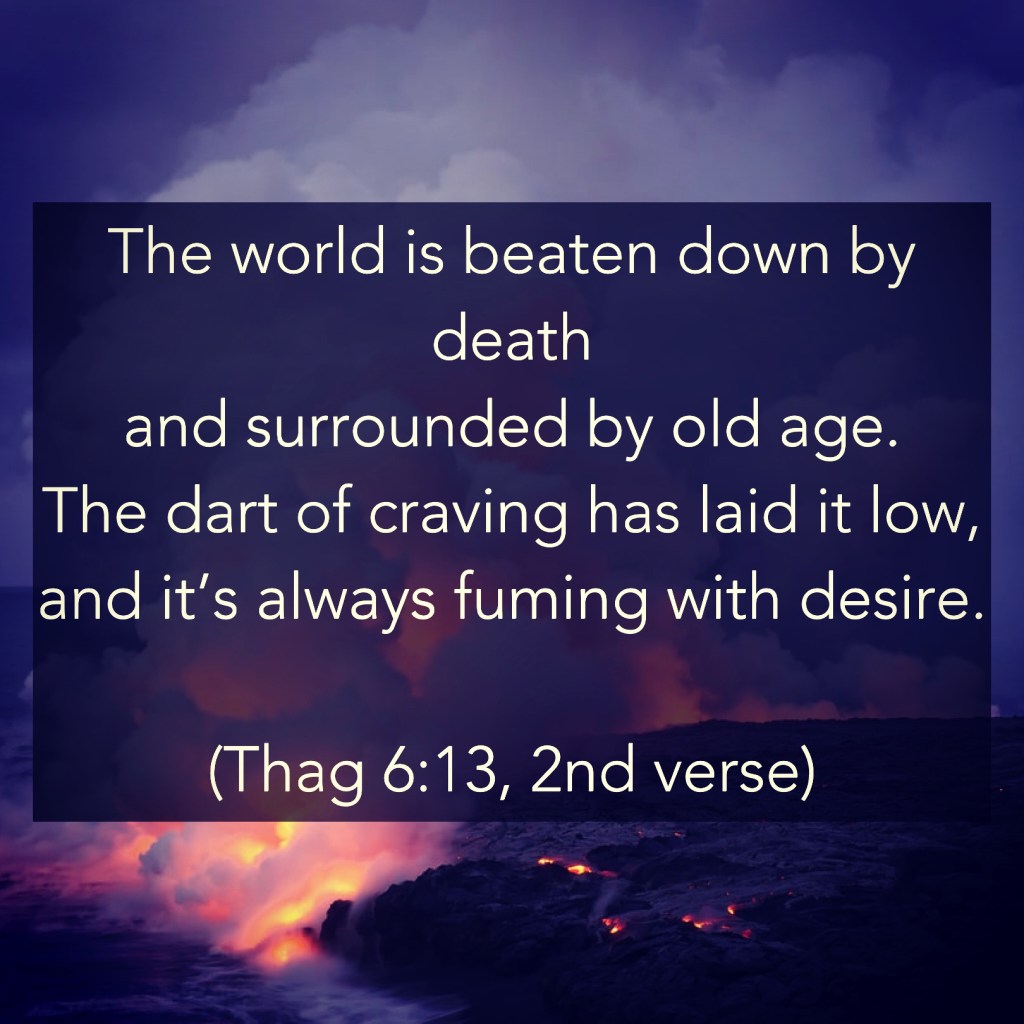
Posted in Buddha, Buddhism, Dhamma, Theravada | Tags: maranānussati, memento mori, Theragatha
I really found this talk useful and it is helping me to reframe the way I practice. Whether on the so-called protective setting of formal meditation or off the cushion in the myriad postures of life, the inevitability and closeness of death can help to liberate is from defilement. In fact, it is only by truly understanding that all of the aggregate are subject to death and that everything must be relinquished that we can free ourselves. Any other approach is simply self-delusion and only makes our predicament worse.
Posted in Buddha, Buddhism, Daily Practice, Dhamma, Formal Meditation, Maranasati, Theravada | Tags: death, death recollection, memento mori
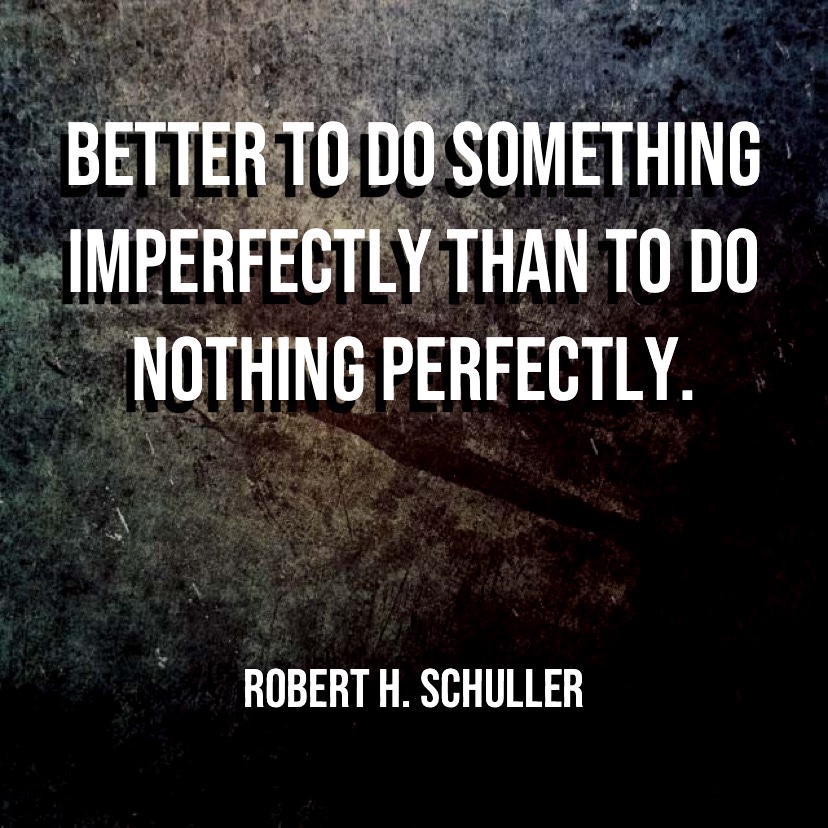
I recall hearing a story, attributed to this or that Zen master, about two students who were smokers. One asked the matter if it would be alright if he smoked during meditation and he was met with a harsh, negative reply. The other simply asked if it would be okay to meditate while smoking and V received the master’s approval.
Granted, the analogy doesn’t quite fit the quote above but it feels like it resides in the same conceptual neighborhood. I am realizing that I have much less energy than I would have expected so I have had to respect the boundaries my body has set out for me. Nonetheless, I still intended to do as much of my physical conditioning and practice as I am able. What this looked like today was a shortened Tai Chi routine before my hour of Muay Thai with my PT in the park. And now, hours later, I’m feeling depleted and tired. So, rather than trying to ram my way through it, on the off days I will simply try to focus on stretching and recovery.
What does this have to do with the Dhamma? I feel that it’s the idea of consistency, of chipping away at the mountain of inertia on a daily basis that is a Dhamma practice in itself. It doesn’t have to be perfect and, in fact, it rarely is but it dies not need be something. I need to do something every day. Whether it’s sitting on the cushion lost in thought for a half an hour or going through the motions of a form – it has to be done.
Posted in Aditthana, Buddhism, Dhamma, Formal Meditation, samma vayamo, Theravada | Tags: consistency, effort, viriya

Celebrating the Uposatha today because it is in one of the calendars we are using in the Daily Dhamma Study Group and I found out last night that my wife bought us tickets for a family drive in tomorrow. Normally I follow the Dhammayut dates but I figure it is better to observe one per week than to get hung up on a particular calendar and just forget it all together.
I found the quote above this morning and was struck by hoe true it is; especially during those times when one is fasting. How much trouble can we cause for ourselves by delighting overmuch in the taste of food? How often have I allowed myself to be tricked into believing that there is truly some lasting god to be had from food only for the results to end up in the toilet half a day later?


Improving Lives through Generosity
A hub for the music, culture, knowledge, and practice of Irish stick-fighting, past and present.

 Cattāri Brahmavihārā